
Eight steps towards intergenerational engagement for climate resilience
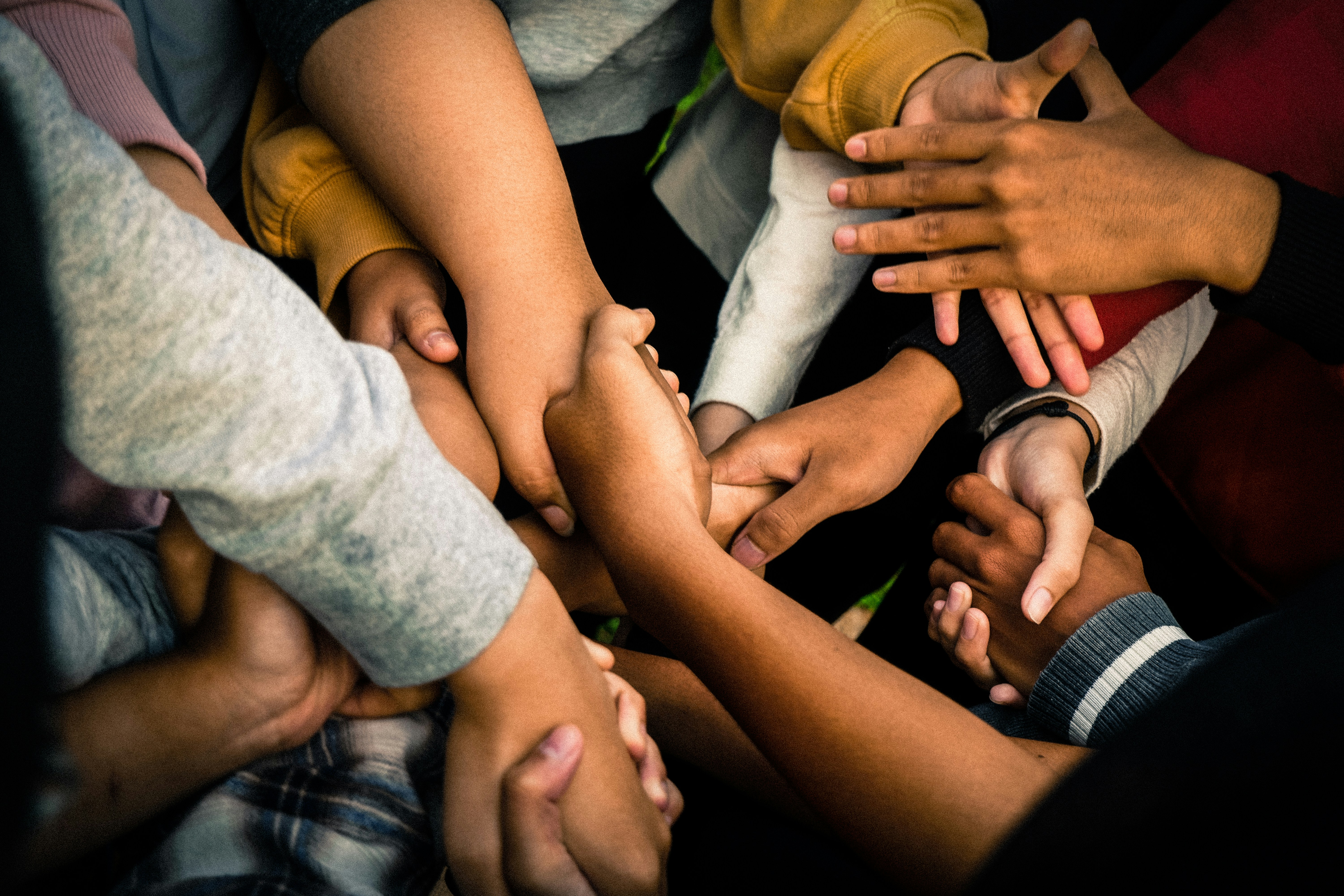
This opinion first appeared in the The Psychologist on 14 October 2025 written by Louise Edgington and is reproduced below. The article was part of a special edition, which you can also find in the British Psychological Society ‘Climate and the environment’ collection.
As a physics undergraduate in my early 20s, I experienced first-hand the effects of being taught climate truth without care. In the course of one atmospheric physics tutorial, my ‘future’ was drastically altered, and then we were back to ‘business as usual’ as if everything was fine. I was reeling.
Later, as a science teacher, I tried to bring in age-appropriate climate truths and care into the classroom. But I was lucky if I was able to find one spare period for this side project of mine. It wasn’t enough. Education needs to up its game to meet this existential challenge. But how do we do that?
Here, I explore the importance of intergenerational relationships for individual and societal climate resilience, and provide practical suggestions on how to repair and nurture these relationships.
The challenge facing young people
Young people bear the brunt of climate impacts over the course of their lifetimes – the consequences of environmental degradation, extreme weather events, and loss of biodiversity. They also suffer the ‘moral injury’ of watching adults around them repeatedly fall short when it comes to safeguarding their futures.
According to Hickman et al. (2021), many young people are experiencing significant climate anxiety and feelings of betrayal by older generations, whom they perceive as not doing enough to address the crisis. Part of this inaction is due to the difficulty ‘adults’ have in keeping up with the pace of developments in climate change, A.I., social media and the like.
We risk becoming obsolete and unable to support or relate to young people. Even if we make efforts to educate ourselves as individuals, the systems we work within are slow and inflexible. I’ve heard of one university that won’t lend support to its student union as they try to organise their own support for student climate distress. However, I’m aware of another that is arranging carbon literacy training for all its staff.
The sense of abandonment, or betrayal – often referred to as ‘moral injury’ – arises when people feel that their values and ethical standards have been violated by those in positions of authority or trust. For our next generation, this is compounded by the knowledge that they have inherited a world facing severe environmental challenges. Of course, there will be anger, blame, and heated discussions over dinner. We risk an intergenerational rift.
Then there is the complication of the ‘big baby question’. Whether or not to have children is a growing concern among the younger generations (Morgan Stanley Analysts, cited in Osaka, 2022). Many young people I speak with are grappling with the personal and heartbreaking decision to spare their progeny future suffering. Of course, this trend has significant implications for the additional burden we are placing on the young. Will they also have to pay higher taxes to care for an ageing population?
The importance of intergenerational relationships
Intergenerational relationships play a crucial role in building resilience to climate change. When young people feel supported and understood by older generations, they are more likely to develop a sense of agency and hope. Conversely, when these relationships are strained, young people may feel isolated and powerless. Healthy intergenerational attachments foster resilience and stability in society.
Collaborative action and skill sharing between generations is essential for addressing climate change effectively. When young people and adults work together on environmental projects and initiatives, they can combine their strengths and resources to achieve greater impact. Rather than feeling that the problem of climate change has been left to them to fix, young people can see that adults are taking active steps to safeguard their futures. This collaboration also helps to build trust and mutual respect between generations, strengthening the overall resilience of communities.
One of the most important aspects of intergenerational relationships is the emotional support and validation that older generations can provide. This emotional ‘containment’ is the foundation of attachment relationships. We need to skill up the emotional support embedded in communities, schools and families to help all young people to develop healthier coping mechanisms and a greater sense of resilience.
As psychologists, we need to be caring for the caregivers, creating a national culture of emotional expression and care that is the foundation of good mental health. This requires a mindset shift from our individualistic, competitive, peer-oriented economic systems and perhaps a move towards the values of community and empathy that are evident in many indigenous cultures today.
Practical suggestions
Given the importance of intergenerational relationships for climate resilience, it is essential to take steps to repair and nurture these bonds. Here are some practical suggestions for psychologists, educators, and community leaders to consider:
Create safe spaces for dialogue
One of the first steps in repairing intergenerational relationships is to create safe spaces for open and honest dialogue. Psychologists and educators can facilitate discussions where young people and adults can share their thoughts and feelings about climate change. These conversations should be non-judgmental and empathetic, allowing both parties to express their concerns, anger and hopes. Frameworks such as non-violent communication, active listening and emotion coaching can be very helpful in these spaces.
Encourage intergenerational projects
Encouraging young people and adults to work together on environmental projects can help to build trust and collaboration. Schools and community organisations can organise intergenerational initiatives such as tree planting, community clean-ups, and sustainability workshops. These activities provide opportunities for meaningful interaction and cooperation.
Promote mentorship programs
Mentorship programs can play a significant role in nurturing intergenerational relationships. By pairing young people with experienced mentors, we can facilitate the transfer of knowledge and skills that aren’t necessarily part of the national curriculum (e.g. heritage crafts or prompt engineering). Mentors can provide guidance, support, and encouragement, helping young people to develop a sense of agency and confidence in their ability to address climate challenges.
Foster emotional resilience
Building emotional resilience is crucial for both young people and adults in the face of climate change. Psychologists can offer workshops and training sessions on emotional regulation, coping strategies, and the thinking traps of climate psychology. These skills can help individuals manage their eco-emotions and maintain a sense of hope and purpose. It’s important for adults to be working through their own climate emotions before trying to hold space for a young person’s feelings.
Address climate justice
It is important to address the issue of climate justice in intergenerational discussions. Young people often feel that they are being unfairly burdened with the consequences of climate change, while older generations have benefited from unsustainable practices. Acknowledging this injustice and working together to find equitable solutions can help to repair trust and build a sense of solidarity.
Incorporate climate education
Integrating climate education and critical thinking into school curricula and community programs is essential for raising awareness and understanding of climate issues. This education should be inclusive and accessible, providing young people with the knowledge and skills they need to take action. Involving older generations and educators in these educational efforts can also promote intergenerational learning and cooperation.
In my work with schools, I recommend these top practical actions that can make a big difference to climate wellbeing and mental health. Above all, just show up, keep an open mind and start talking. You can only get it wrong if you do nothing.
Dr Louise Edgington is a Freelance Educational Psychologist.
Louise campaigns for public climate wellbeing as a member of Imperial Climate Care’s expert advisory group for climate education, the British Psychological Society’s Climate and Environment Action Coordinating Group, and as a spokesperson and former chair of the Climate Minds Coalition.
Key sources
Department for Education (2023). Sustainability and climate change: a strategy for the education and children’s services systems. https://tinyurl.com/3xu44du3
Hickman, C., Marks, E., Pihkala, P., et al. (2021). Climate anxiety in children and young people and their beliefs about government responses to climate change: a global survey. The Lancet Planetary Health, 5(12), e863-e873.
Osaka, S. (2022). Should you not have kids because of climate change? It’s complicated. Washington Post.
Pfenning-Butterworth, A., Buckley, L.B., Drake, J.M., et al. (2024). Interconnecting global threats: climate change, biodiversity loss, and infectious diseases. The Lancet Planetary Health, 8(4).
Further resources



Climate anxiety toolbox: a resource guide for young people facing climate anxiety and grief

Toolkit for youth on adaptation and leadership

Comments
There is no contentYou must be logged in to reply.